TURNING DOWN THE UNNECESSARY: SMARTER ENERGY USE AT SEA
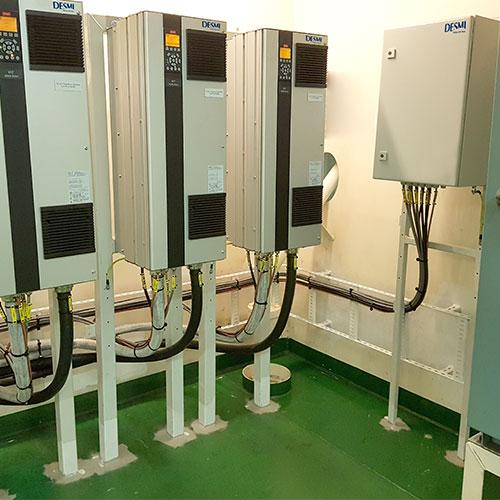 With fuel costs continuing to influence vessel operating economics, energy efficiency has become an increasingly important focus for shipowners and operators. While propulsion systems often receive the most attention, a significant share of onboard energy consumption comes from auxiliary systems such as cooling and ventilation.
These systems are typically designed to perform under the most demanding operating conditions, including high ambient temperatures and maximum engine loads. However, vessels spend much of their time operating under less demanding conditions. Despite this, pumps and fans often continue to run at fixed speeds, consuming more energy than is required.
As the industry looks for practical ways to improve efficiency, greater attention is being given to demand-based operation of auxiliary equipment. Advances in automation and control technology now allow cooling and ventilation systems to respond to real-time operating conditions rather than relying solely on fixed design parameters.
 By matching system output to actual demand, vessels can reduce unnecessary energy consumption while maintaining safe and reliable operation. Even relatively small improvements in auxiliary system performance can contribute to lower fuel use, reduced operating costs, and decreased emissions over time.
These efforts also support broader industry objectives. Improving the efficiency of existing equipment can help operators meet environmental and regulatory requirements while extending the useful life of onboard machinery. Equipment operating at variable loads may experience less wear and tear, potentially reducing maintenance requirements and improving long-term reliability.
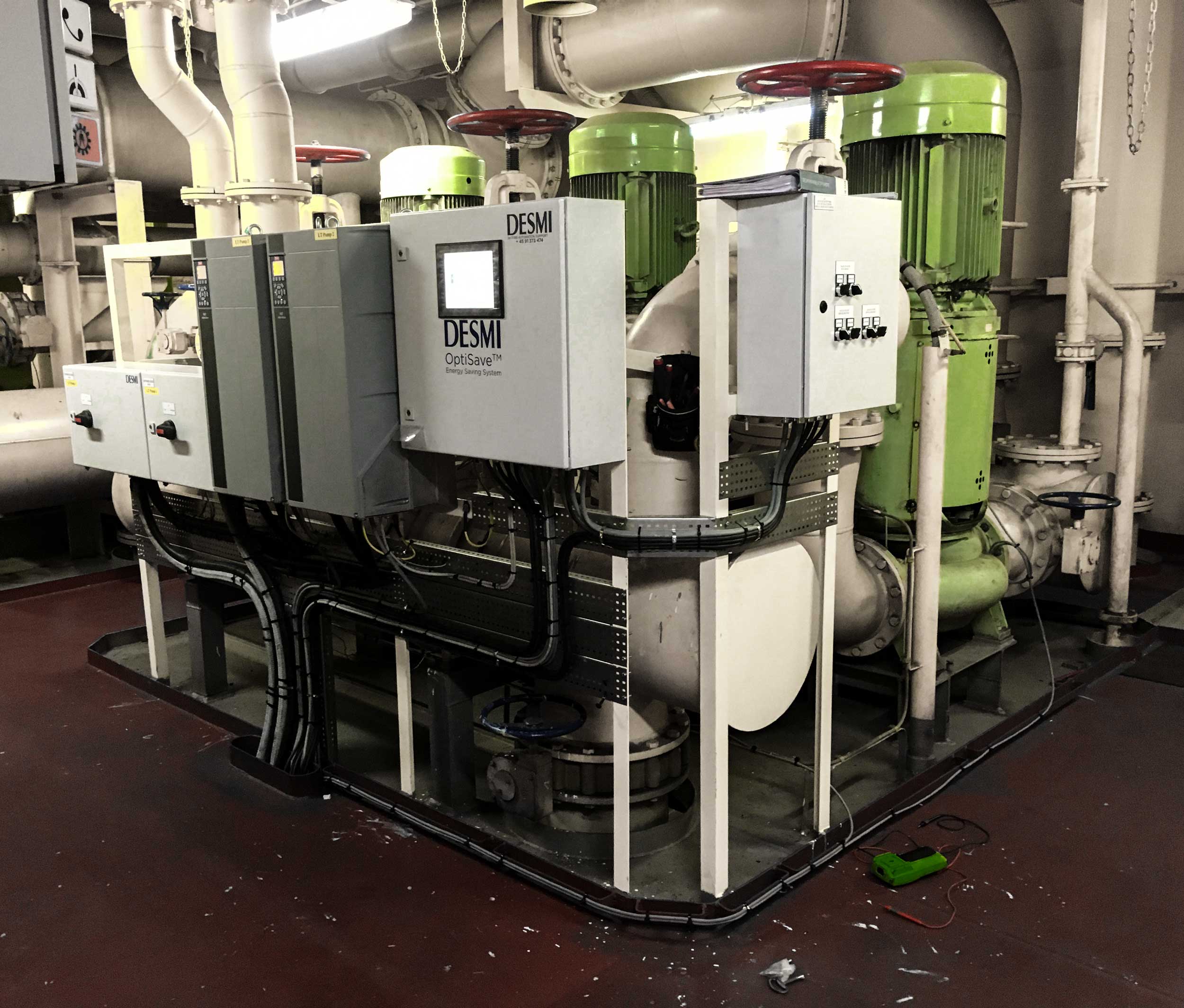
Several technology providers have developed solutions to address this challenge. One example is DESMI’s OptiSave™system, which uses automated controls to regulate pump and fan performance based on operational demand. Similar approaches reflect a wider trend within the maritime sector toward optimizing existing systems rather than relying solely on major equipment replacements or new technologies.
As fuel costs and environmental expectations continue to shape the industry’s priorities, attention is increasingly turning to opportunities that deliver measurable improvements withoutextensive vessel modifications. In many cases, improving efficiency is not about adding more equipment, but about ensuring existing systems operate only when, and to the extent, they are needed
Published in the May 2026 Virginia Maritime Bulletin